

Workshops
Tuesday May 5th
ALL workshops are Virtual

9:00 a.m. - 10:30 a.m.
Environmental Timeseries Data as the Backbone for a Regional Digital Twin.
This workshop demonstrates how a regional digital twin is built on a clean, reliable foundation of environmental timeseries data—using the same data‑integration patterns KISTERS supports in watershed, utility, and climate‑resilience projects around the world.
Participants see three essentials:
How water and environmental data arrives over time
How it’s cleaned and standardized so everyone works from the same trusted version
How it’s structured so AI tools can interpret it, compare scenarios, and support planning decisions
The presentation shows how data such as water levels, system‑status updates, and sensor readings are collected across a region, and how to identify the simplest, most stable source for each dataset.
It then demonstrates how all incoming information is converted into one shared, consistent format—mirroring the regional planning data‑lake approach used internationally to give municipalities and partners a secure, unified platform for environmental assessments.
The session ends with a basic shared data lake as the starting point for early digital‑twin prototypes and AI‑supported analysis. Real‑time streaming is added later, once the foundation is stable.
Dr. Dirk Schwanenberg: Global General Manager of KISTERS HydroMet / Water Business Unit at KISTERS.
-
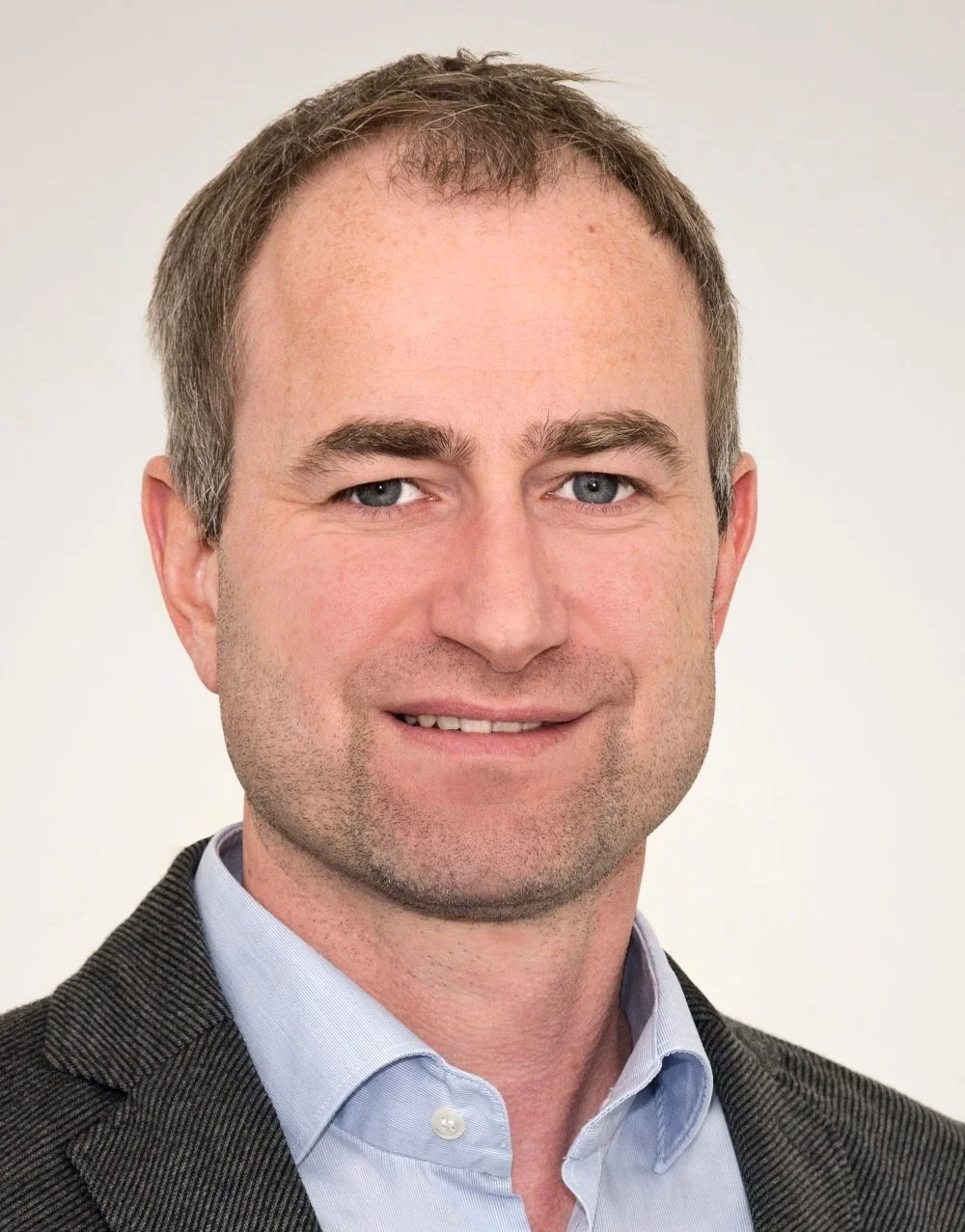
Dr. Dirk Schwanenberg
Global General Manager,
KISTERS HydroMet
10:45 a.m. - 12:15 p.m.
Generative AI in your organization: Reviewing Open North's practical guide for small and medium-sized organizations and municipalities.
Working alongside the City of Montreal, Open North developed a practical guide specifically designed for small and medium-sized organizations and municipalities navigating the messy reality of AI governance. No Silicon Valley assumptions, no enterprise-scale budgets, just real guidance for real constraints.
In this session, we're not here to merely present at you. We want your expertise.
You'll receive the guide before the session to review at your own pace. Then we'll dig into what works, what doesn't, and what's missing. Your frontline experience with data governance challenges will help us refine this resource so it actually serves the organizations that need it most.
Whether you're wrestling with policy gaps, trying to balance innovation with risk, or simply wondering where to start, this collaborative session will give you practical frameworks you can take back to your organization and a chance to shape a resource that's building a stronger foundation for responsible AI across Canada.
What you'll walk away with:
A practical guide tailored to Canadian municipal and organizational contexts
Insights from peers facing similar AI governance challenges
Clear next steps you can implement without massive resources
A voice in improving guidance for organizations nationwide
Dr. Merlin Chatwin: Executive Director - Open North
Cristiano Therrien: LL.D (Privacy and AI advisor)
-

Dr. Merlin Chatwin
Executive Director, Open North
-
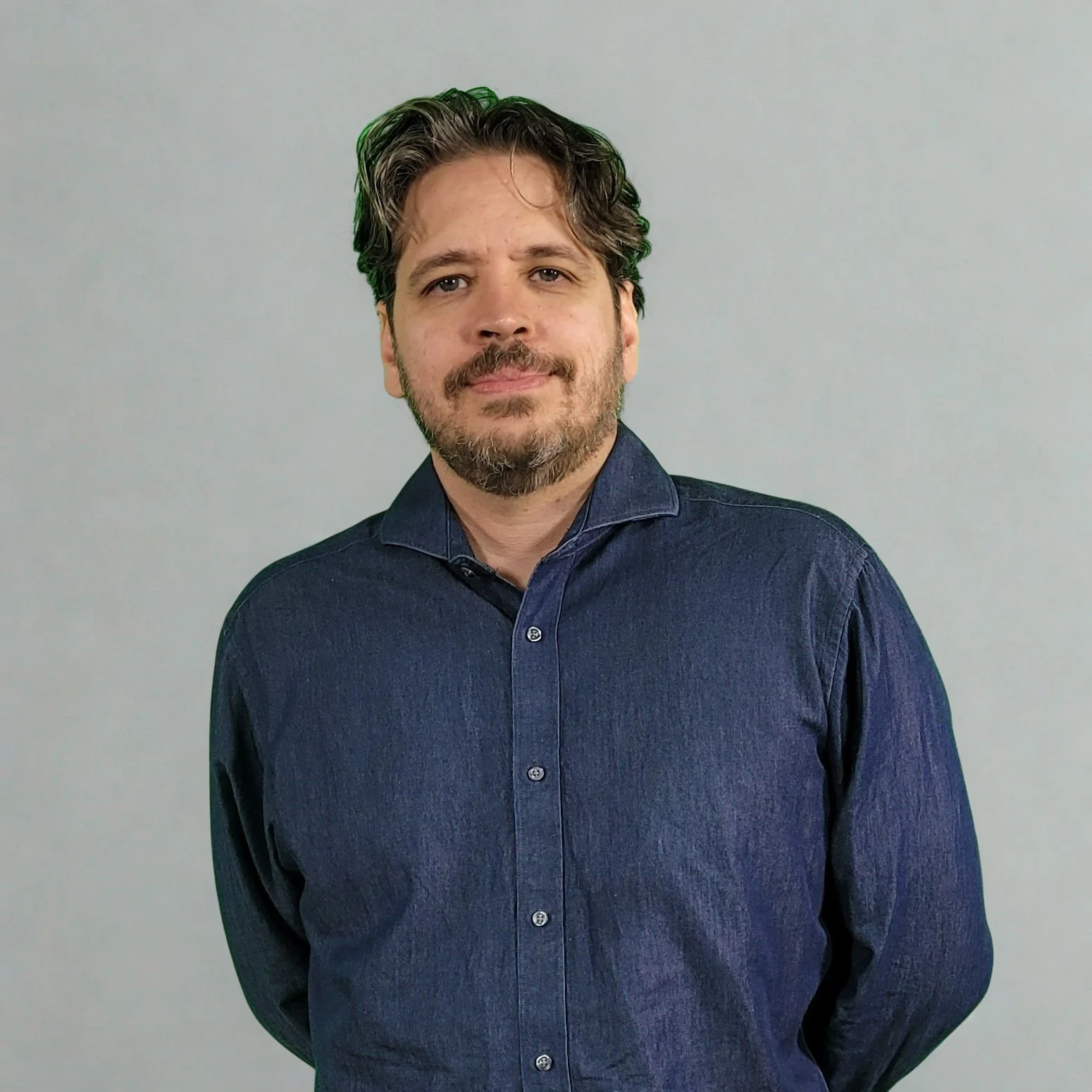
Cristiano Therrien
LL.D
Privacy and AI Advisor

1:15 p.m. - 2:45 p.m.
Building AI Governance in Municipalities from the Ground Up
Artificial intelligence (AI) is increasingly shaping how Canadian municipalities function, so it is important to develop governance frameworks for AI itself. This chapter fills a gap in the discourse around AI governance, which mainly emphasizes nations and provinces, by examining how Canadian municipalities navigate AI adoption, balance in-house development and outsourcing, and face a critical gap in public participation.
This will highlight four examples of governance challenges from the AI in Canadian Municipalities Community of Practice. It presents three findings: local AI governance relies on outsourcing of AI systems; federal and provincial policies have limited impact on municipalities; and local AI governance lacks civic participation. From these findings, we draw on four recommendations to address the deficit in governance of this emerging infrastructure: embrace an iterative AI adoption process; reap benefits from intermunicipal, intramunicipal, and external collaboration; encourage critical discussions on societal implications; and enact public participation in AI governance.
Facilitator: Jonathan Brown
Dr. Renee Sieber: Associate Professor, Department of Geography, McGill University
-

Renée Sieber
Associate Professor in the Department of Geography
-

Jonathan Brown
Facilitator,
GOOD Director of Education
Thank you to our Partners and Sponsors
Conference Partners
Event Sponsors

Silver Sponsors


Bronze Sponsors


Community Sponsors

