
#GOOD26
Common Ground: Building Canada’s Open Digital Foundation
Conference Agenda
Wednesday May 6, 2026
Mississauga City Hall, 12th Floor, C Banquet Hall
Morning sessions
In-person registration from 8:00 am onwards.
Registration, Breakfast
8:00 AM - 9:00 AM
Conference opening
9:00 AM - 9:30 AM
Master of Ceremonies (MC)
Keith MacDonald, literacy AI Project
GOOD26 Conference Chair introduction
Kevin Farrugia, Conference Chair, Board Chair, GO Open Data AssociationWelcome and Land Acknowledgement
Indigenous Welcome
Welcome from the City of Mississauga
Ryan Lim, Director of Information Technology and Chief Information Officer, City of Mississauga
-
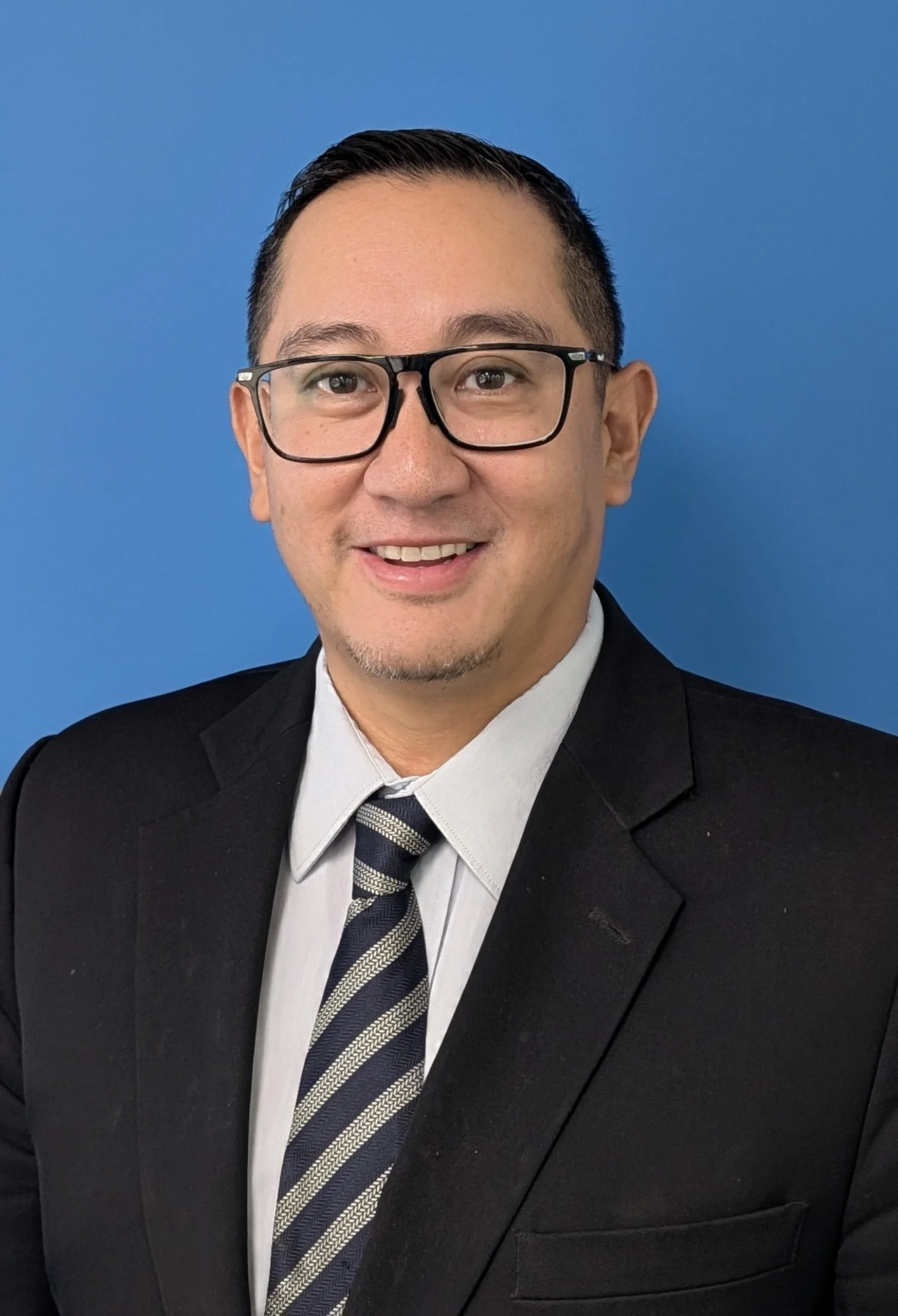
Ryan Lim
Director of IT and CIO, City of Mississauga
-
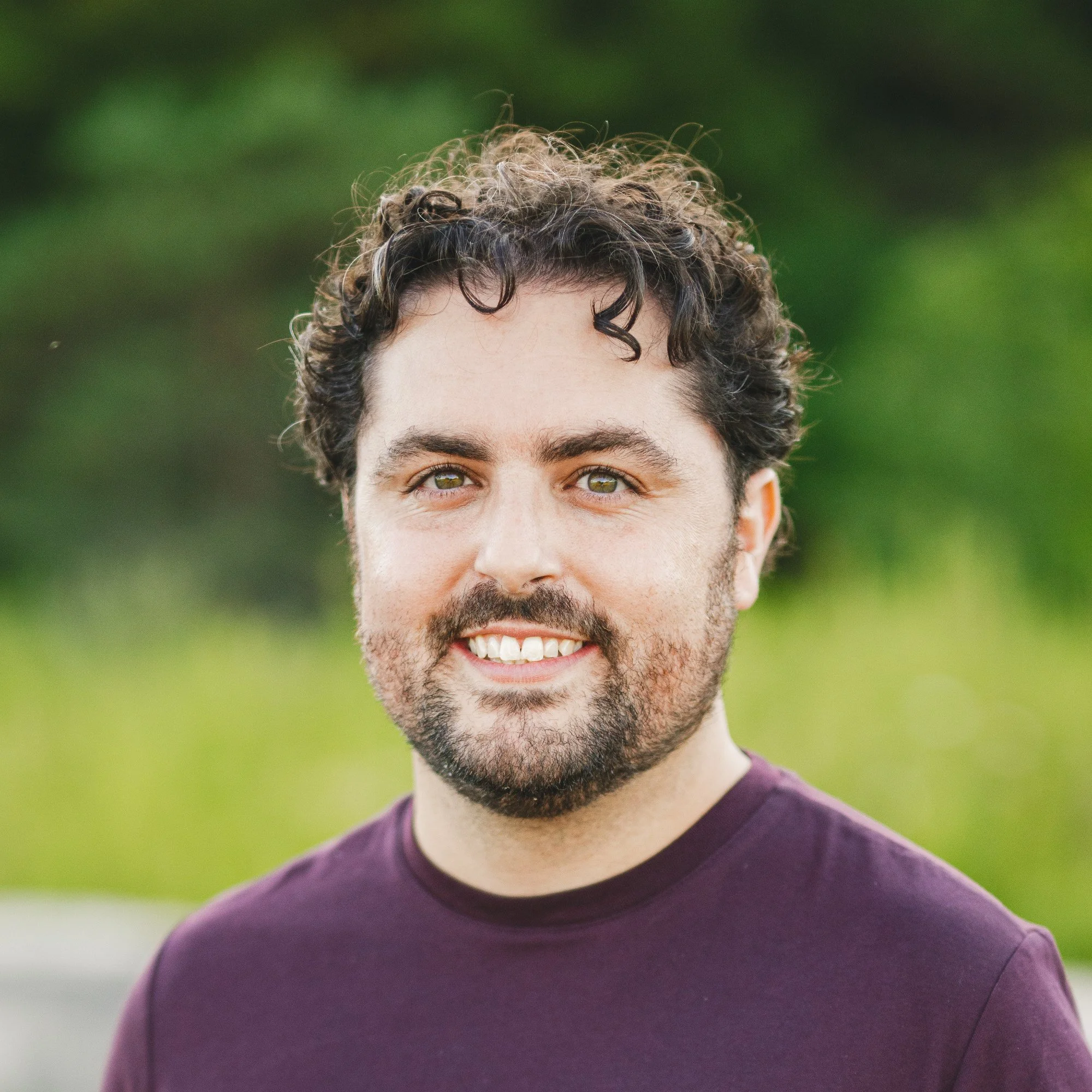
Kevin Farrugia
Board Chair, GO Open Data Association
Keynote: To be Announced
9:30 AM - 10:00 AM
Coming soon.
-

TBA
Building a human-enriched AI ecosystem for land development
10:00 AM - 10:30 AM
How to build an human-enriched AI ecosystem to drive transformation within a complex, evolving development landscape and equally complex municipal environment. Inventing a wheel for the 21st century.
Presenters
Arash Shahi, CEO, LandLogic
Anthony Andreana, Manager, Information Systems & Operations for Land Devleopment
-

Anthony Andreana
Manager, Information Systems & Operations for Land Development
-
Arash Shahi
CEO, LandLogic
Break - 30 minutes
10:30 AM - 11:00 AM
Title to be Announced
11:00 AM - 11:30AM
Abstract will be available soon.
Presenter:
Kyle Browness
Director, Digital Collections Operations
Library and Archives Canada
-
Kyle Browness
Director, Digital Collections Operations, Library and Archives Canada
Technical Presentation
11:30 AM - 12:00 PM
Abstract will be available soon.
Presenter:
TBA
-
To be Announced
Lunch break
- 75 minutes
12:00 PM - 1:15 PM
Lightning talks
1:15 PM - 1:30 PM
Moderator:
Presenters
CivicTech Brampton
Ushnish Sengupta, Algoma University
-

Ushnish Sengupta
CivicTech Brampton
Toronto Public Library AI Upskill Project
1:30 PM - 2:00 PM
We’re entering a period where entire sectors can shrink overnight. The question isn’t whether AI will change jobs - it’s whether people have a trusted place to learn how to use it well. This session reframes digital twins not as a technical toolset, but as a public‑sector knowledge ecosystem - one where libraries, archives, municipalities, and Indigenous innovation hubs become trusted stewards of the data that powers community, democratic decision‑making.
If we want AI‑ready workforces, and resilient communities, we need to build human citizen infrastructure first. That means investing in the institutions people already trust: the library that teaches foundational digital skills.
Drawing on lessons from the Toronto Public Library’s Google AI Upskilling initiative, this panel explores how public institutions can become on‑ramps to AI literacy, local innovation, and equitable participation in emerging data ecosystems that protect and preserve our democratic institutions. Speakers will examine practical models - learning circles, tool‑lending programs, community data governance - everything necessary to build and sustain residents move from passive users of technology to active shapers of their digital futures in a liberal democracy.
Presenter:
Yoojin Kwon,
Senior Services Specialist, Toronto Public LibraryFiona O’Connor
Senior Services Specialist, Toronto Public Library
-

Yoojin Kwon
Senior Services Specialist, Toronto Public Library
-
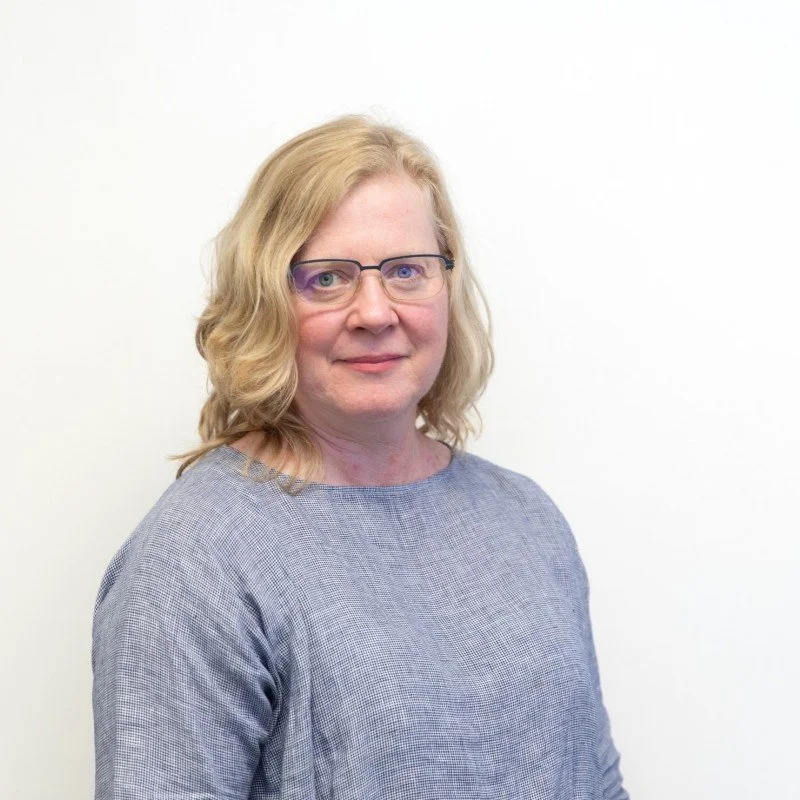
Fiona O'Connor
Senior Services Specialist, Toronto Public Library
To be Announced
2:00 PM - 2:30 PM
Coming soon…
Presenter:
-
TBA
Coffee break - 15 minutes
2:30 PM - 2:45 PM
The Governance of Open Digital Twins
2:45 PM - 3:15 PM
Digital twin are large complex social and technical systems, that, in addition to being created and used in the architecture, engineering, construction and owner operated (AECOO) sectors to construct, operate and manage physical assets, digital twins are also used as immersive media in virtual reality environments accessible with virtual reality peripherals. City officials also use digital twins to pre-empt, predict, and prevent the potential harms caused by natural calamities such as floods related to climate change, to model scenarios for urban planning, and as place to conduct public consultations. Further, they augment knowledge about infrastructure, they are a spatial data infrastructure, and they are records. As fledgling systems, it is argued, that digital twin creators construct them in such a way that these be open, considered a public goods and their data lifecycle can be managed.
Without consideration for governance - data & technical, digital strategies, public policy and legalities, and public engagement, digital twins risk gaining the same negative public attention as smart cities and the Sidewalk Labs Quayside Toronto Project did, including META. There is much public good that can be derived from digital twins, especially if those involved in their creation, become more public facing and engage the public and governors in their creation and use, build them as open interoperable systems and incorporate them into existing spatial data infrastructures, and conceptualize them as shared public spaces where we can imagine, plan and model the future together. Since digital twin will become an infrastructure of infrastructures, ought we not build them now as public goods for mutual wellbeing and benefit?
Presenter:
Dr. Tracey Lauriault,
Associate Professor, Carleton University
-

Tracey Lauriault
Associate Professor, Carleton University
Break
3:30 PM - 3:50 PM
GOODHack26 Design Challenge - Call to Action Pitch
3:15 PM - 3:45 PM
How you can digital twins leverage the present and archived past to design better and faster.
More to come…
Presenters:
-
Presenters to be announced
Description goes here
Closing Remarks
3:45 PM - 4:00 PM
Closing remarks for this year’s conference.
Panelists
Trevor Twining,
Vice Chair, GO Open Data
-

Trevor Twining
Vice Chair, GO Open Data


